
About the Guardians Project
Origins, purpose, and direction.
Origins
The Guardians project began with a simple observation: the scale of rainforest loss is now so vast that incremental solutions are no longer enough.
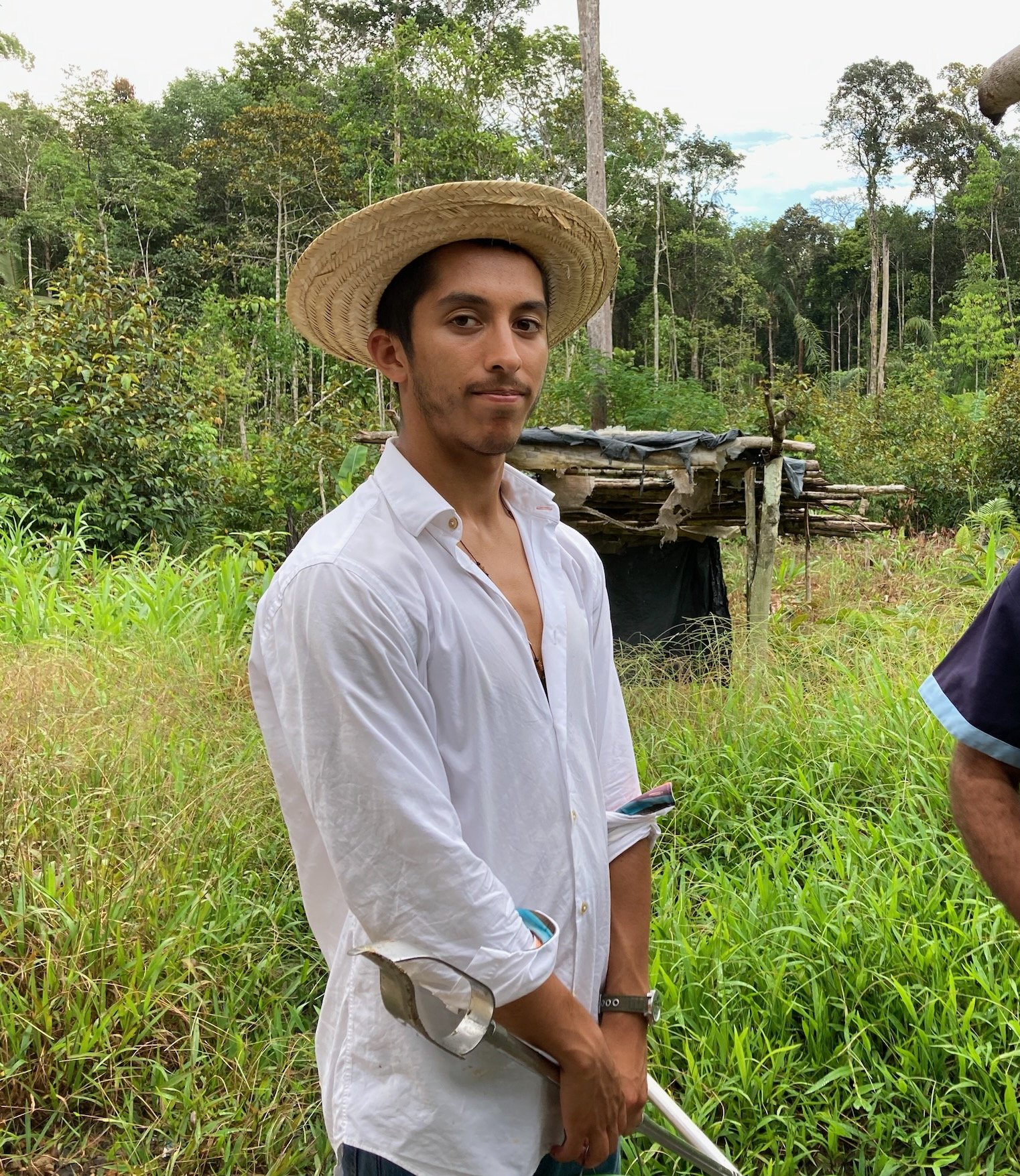
In 2017, founder Will Plant first visited the Amazon rainforest in Colombia. Experiencing the scale, complexity, and ecological importance of the region firsthand made it clear that protecting the Amazon would require solutions capable of operating at landscape scale — not only preventing further loss, but actively restoring what has already been degraded.
This question led Will to Brazil in 2019, where he spent time in the Amazon region engaging directly with organisations working on conservation, reforestation, and agroforestry. Rather than attempting to invent new approaches, the focus was on understanding what was already being tried — and where those efforts were struggling.
One challenge emerged repeatedly: in the most degraded areas of the Amazon, particularly along the arc of deforestation, traditional reforestation efforts often fail. Excessive heat and sunlight, prolonged dry seasons, compacted and nutrient-poor soils, and fire risk combine to produce extremely high tree mortality rates, even when best-practice planting methods are used.
It was during a fundraising event organised in the UK to support an agroforestry project in Brazil that the Guardian concept first took shape. A Brazilian-based forest restoration entrepreneur described mortality rates approaching 90% in severely degraded landscapes — not due to lack of effort or knowledge, but because young forests were simply unable to survive the environmental conditions.
In response to this challenge, a new idea emerged: rather than planting trees into hostile conditions and hoping they survive, could those conditions themselves be altered — quickly and locally — to allow forest systems to re-establish?
Drawing on experience in nature-based solutions and renewable technologies, the concept of the Guardian was developed as a way to create temporary, protective micro-environments: structures that provide shade, retain water, rebuild soil function, and support diverse regeneration until natural forest dynamics can take over.
Where We Are Today
The Guardians project is now at a focused, early-stage implementation phase.
The core concept has been developed through years of observation, research, and engagement with existing ecological restoration efforts in the Amazon. The team combines local ecological expertise with technical and design experience, including on-the-ground agroforestry knowledge in Brazil.
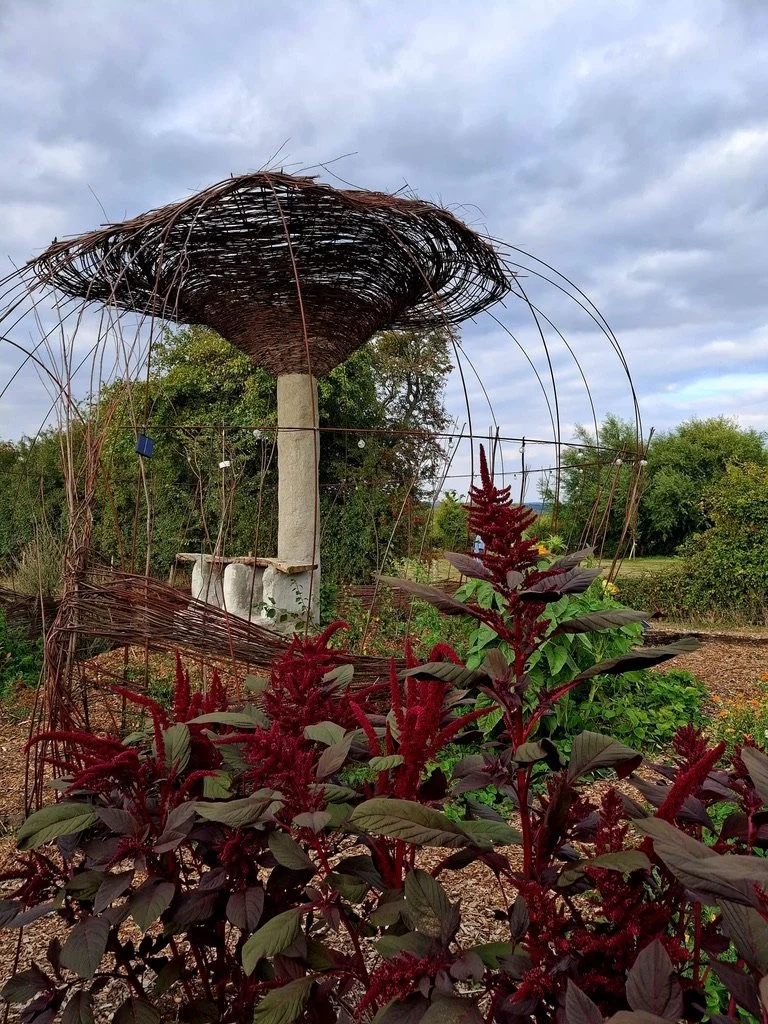
In 2025, an initial Guardian structure was built and tested in the UK. While not intended as a final ecological model, this early build provided practical insight into construction methods, materials, costs, logistics, and deployment considerations — translating theory into hands-on experience.
Equally important, the project has been shaped by sustained engagement with the Amazon region itself. Multiple visits, language fluency, and long-term research into existing restoration approaches have informed the decision to focus on the most degraded landscapes — where regeneration is hardest, but most urgently needed.
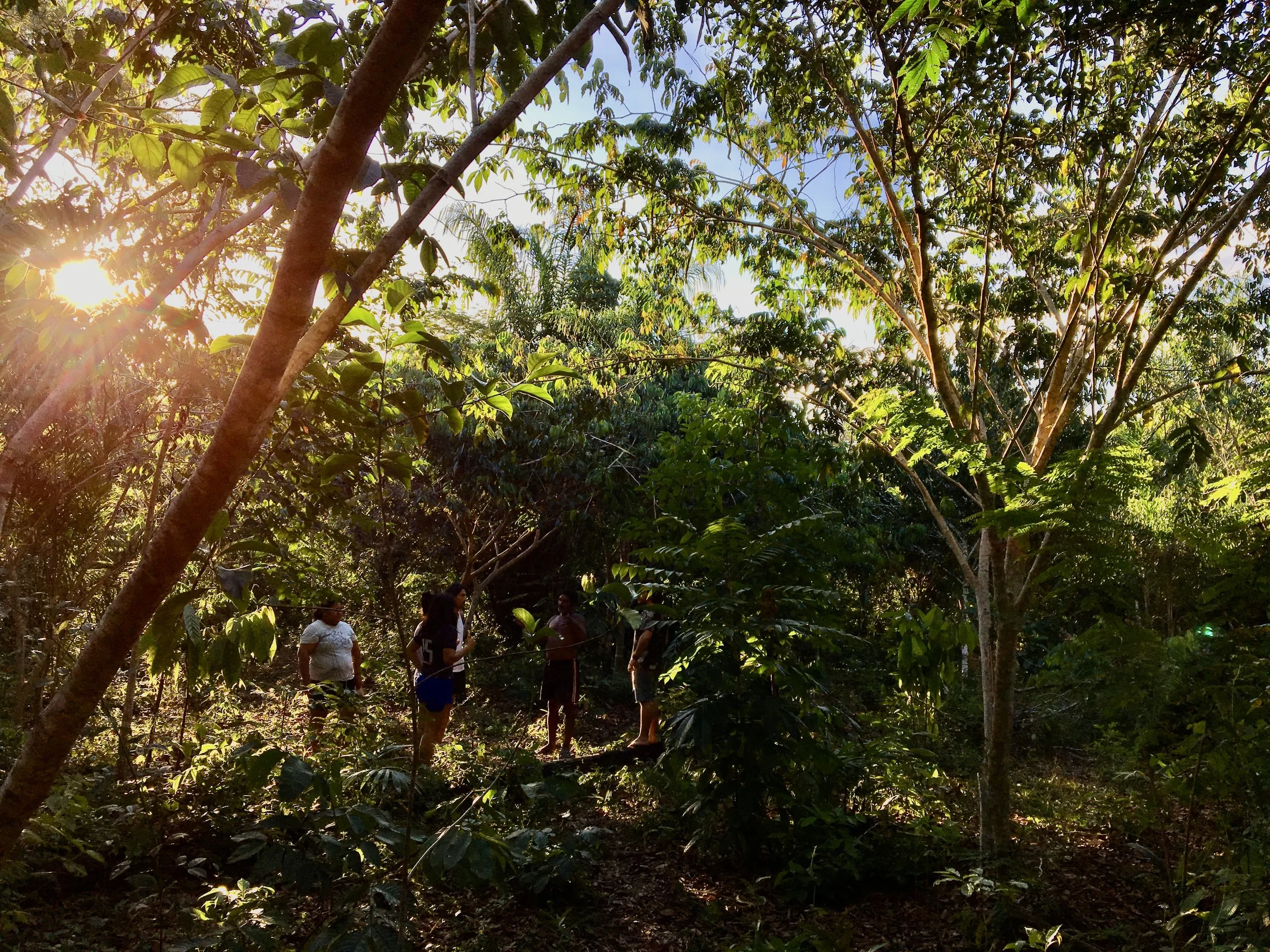
Phase One has now been clearly defined: a pilot restoration site in Maranhão, within the Amazon’s arc of deforestation, designed to test, refine, and demonstrate accelerated recovery at the hectare scale.
Looking Ahead
The immediate focus of the Guardians project is the successful delivery of Phase One.
This pilot will establish whether Guardian-supported restoration can enable severely degraded rainforest landscapes to recover in roughly half the time typically required in these regions, while maintaining ecological integrity and long-term resilience.
At this stage, the project is seeking funding and strategic support to implement Phase One and rigorously evaluate its outcomes.
Looking beyond the pilot, the long-term vision is to enable restoration at meaningful scale — not by compromising ecological quality, but by aligning restoration success with durable economic mechanisms. High-quality carbon and biodiversity outcomes, sustainable forest products, and the responsible deployment of restoration technologies all represent potential pathways for reinvesting value back into further regeneration.
These pathways are intentionally not being pursued prematurely. Ecological success comes first. If Phase One demonstrates that degraded rainforest can reliably cross recovery thresholds within a decade, the foundation will exist for broader application across the Amazon and other vulnerable tropical regions.
The Guardians project is ultimately an effort to show that restoration, when designed carefully and supported intelligently, can operate at the scale required — and that ecological regeneration and long-term economic thinking do not need to be in conflict.